




In recent years, wollmatten have gained significant popularity among homeowners, designers, and environmentally conscious consumers. Known for their natural composition, excellent insulation properties, and versatile uses, wollmatten are becoming a preferred alternative to synthetic mats and insulation materials. Whether used for flooring, sleeping, soundproofing, or thermal insulation, wollmatten offer a blend of comfort, durability, and sustainability that few other materials can match.
This in-depth guide explores everything you need to know about wollmatten: their meaning, benefits, applications, types, care tips, and why they are an excellent investment for modern living.
What Are Wollmatten?
Wollmatten are mats made primarily from natural wool fibers. Wool is a renewable material obtained from sheep and other animals, processed into dense, flexible mats through techniques such as felting or weaving. These mats can vary in thickness, density, and finish depending on their intended purpose.
Traditionally, wollmatten have been used in colder regions for warmth and insulation. Today, they are widely appreciated for their eco-friendly nature and multifunctional qualities.
Why Wollmatten Are Gaining Popularity
The growing demand for wollmatten can be attributed to several modern lifestyle trends:
- Increased focus on sustainable and natural materials
- Rising awareness of indoor air quality
- Preference for non-toxic home products
- Desire for durable, long-lasting alternatives to synthetic mats
Unlike plastic-based or chemical-treated products, wollmatten align with a healthier and more environmentally responsible way of living.
Key Benefits of Wollmatten
1. Natural Thermal Insulation
One of the most notable advantages of wollmatten is their exceptional thermal insulation. Wool fibers naturally trap air, creating a barrier that helps regulate temperature. Wollmatten keep spaces warm during winter and cool during summer, making them ideal for floors, walls, and sleeping areas.
2. Breathability and Moisture Regulation
Wool can absorb and release moisture without feeling damp. Wollmatten regulate humidity by absorbing excess moisture from the air and releasing it when conditions are dry. This helps maintain a comfortable indoor climate and reduces the risk of mold and mildew.
3. Eco-Friendly and Sustainable
Wollmatten are made from renewable resources and are biodegradable. Their production typically requires less energy compared to synthetic materials. At the end of their lifespan, wollmatten decompose naturally without harming the environment.
4. Hypoallergenic Properties
High-quality wollmatten resist dust mites and bacteria, making them suitable for people with allergies or sensitivities. Unlike synthetic mats, they do not release harmful fumes or microplastics into the air.
5. Durability and Longevity
Wool fibers are naturally elastic and resilient. Wollmatten can withstand pressure, bending, and daily use without losing their shape. With proper care, they can last for many years, making them a cost-effective choice in the long run.
6. Natural Sound Absorption
Thanks to their dense fiber structure, wollmatten absorb sound effectively. They reduce echo and noise transmission, which makes them useful in homes, offices, and studios where acoustic comfort is important.
Common Uses of Wollmatten
Wollmatten for Flooring
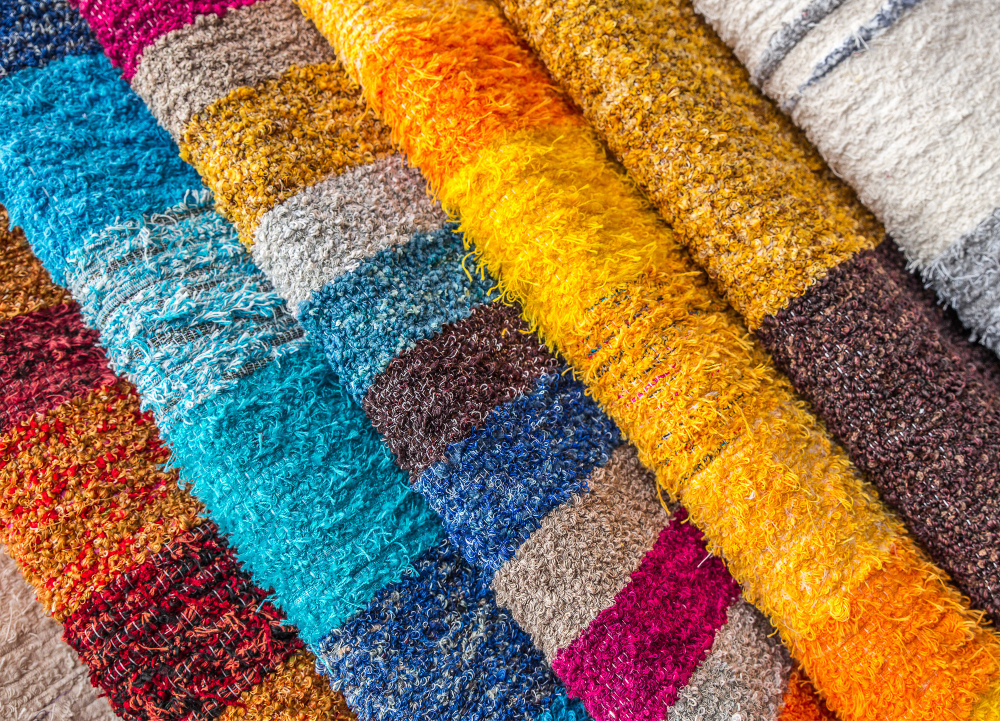
Wollmatten are often used as floor mats, rugs, or underlays. They provide a warm and soft surface underfoot while also offering insulation against cold floors. In minimalist and natural interior designs, wollmatten add both functionality and aesthetic appeal.
Wollmatten for Sleeping and Rest
In traditional and modern wellness practices, wollmatten are used as sleeping mats or mattress toppers. Their temperature-regulating properties help promote restful sleep by preventing overheating or excessive cold.
Wollmatten for Insulation
Wollmatten are widely used in eco-friendly construction as insulation material. They can be installed in walls, roofs, and ceilings to improve energy efficiency while maintaining breathability.
Wollmatten for Yoga and Meditation
Many yoga practitioners prefer wollmatten over synthetic mats. Wool provides natural grip, comfort, and insulation from cold floors, making it ideal for meditation and stretching exercises.
Wollmatten for Babies and Children
Because they are soft, breathable, and chemical-free, wollmatten are often used as play mats or sleeping surfaces for infants and young children. They provide warmth and comfort while being gentle on sensitive skin.
Different Types of Wollmatten
Felted Wollmatten
Felted wollmatten are created by compressing wool fibers using moisture and heat. This process produces dense, sturdy mats that are excellent for insulation, flooring, and soundproofing.
Woven Wollmatten
Woven wollmatten have a more textile-like appearance and are often used as decorative rugs or yoga mats. They are flexible, lightweight, and visually appealing.
Layered Wollmatten
Some wollmatten are made by layering wool fibers to achieve specific thicknesses. These are commonly used for insulation or sleeping mats where extra cushioning is required.
How to Choose the Right Wollmatten
When selecting wollmatten, consider the following factors:
Thickness and Density
Thicker wollmatten provide better insulation and cushioning, while thinner ones are more portable and suitable for light use.
Wool Quality
High-quality wool offers better durability, softness, and moisture regulation. Look for mats made from pure or minimally processed wool.
Intended Use
Choose wollmatten designed specifically for your purpose, whether it’s flooring, insulation, yoga, or sleeping.
Size and Shape
Wollmatten are available in various sizes. Ensure the dimensions match your space or activity needs.
Caring for Wollmatten
Proper care ensures your wollmatten remain functional and beautiful for years.
Regular Maintenance
Shake out dust and dirt regularly. Gentle vacuuming is usually sufficient for floor mats.
Spot Cleaning
Clean stains using lukewarm water and mild soap. Avoid harsh chemicals, as they can damage wool fibers.
Avoid Excessive Moisture
Although wool handles moisture well, wollmatten should not remain wet for extended periods. Allow them to air dry completely.
Sunlight and Airing
Occasional airing in fresh air helps refresh wollmatten and maintain their natural properties.
Wollmatten vs Synthetic Mats
When comparing wollmatten to synthetic alternatives, the differences are clear:
- Wollmatten are biodegradable; synthetic mats are not
- Wool regulates temperature naturally; synthetics often trap heat
- Wollmatten improve air quality; synthetics may emit odors
- Wool is renewable; synthetic materials rely on fossil fuels
While synthetic mats may appear cheaper initially, wollmatten provide superior long-term value through durability and health benefits.
Are Wollmatten Worth the Investment?
For those seeking comfort, sustainability, and long-lasting performance, wollmatten are absolutely worth considering. They support eco-conscious living without compromising on functionality or style. Whether used in homes, studios, or wellness spaces, wollmatten deliver reliable benefits that enhance everyday life.
Future of Wollmatten in Modern Living
As sustainable living continues to shape consumer choices, wollmatten are expected to play an even larger role in interior design and construction. Their natural performance characteristics align perfectly with energy-efficient homes and wellness-focused lifestyles.
Innovations in wool processing are also making wollmatten lighter, more versatile, and more accessible than ever before.
Final Thoughts
Wollmatten represent a perfect balance between nature and functionality. From insulation and sound absorption to comfort and sustainability, they offer benefits that extend far beyond ordinary mats. Their timeless appeal, combined with modern applications, makes them a smart and responsible choice for anyone looking to improve their living environment naturally.




![[9 june 06:37] private show bella nasty69](https://www.bflix.org.uk/wp-content/uploads/2025/10/108773.jpg)