





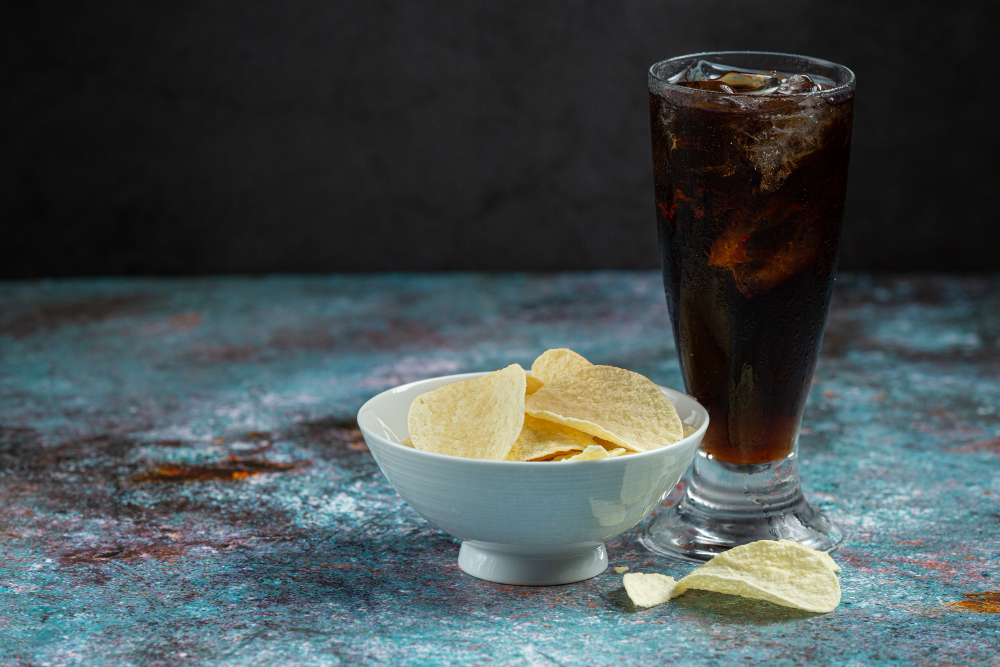
Coca-Cola is one of the most recognizable brands in the world. From its iconic red logo to its classic glass bottle, the name Coca-Cola has become synonymous with soft drinks and global consumer culture. More than just a beverage, Coca-Cola represents a powerful business empire, a marketing phenomenon, and a brand that has shaped generations of consumers across continents.
In this in-depth article, we will explore the history of Coca-Cola, its business model, global expansion, marketing strategies, product range, economic influence, and future outlook. This comprehensive guide is designed to provide valuable insights while being fully SEO optimized.
The Origin and History of Coca-Cola
Coca-Cola was invented in 1886 by Dr. John Stith Pemberton, a pharmacist based in Atlanta, Georgia. Originally created as a medicinal tonic, the drink was first sold at soda fountains. The name “Coca-Cola” was derived from two of its original ingredients: coca leaf extract and kola nut caffeine.
Asa Griggs Candler, a businessman with a strong vision, later acquired the formula and marketing rights. Under his leadership, Coca-Cola transformed from a local beverage into a nationally recognized product. Candler’s innovative advertising campaigns helped establish Coca-Cola as a household name by the early 20th century.
Coca-Cola’s Business Model Explained
Coca-Cola operates under a unique and highly successful business model. The company primarily focuses on brand ownership, syrup production, and marketing, while independent bottling partners handle manufacturing, packaging, and distribution.
Key Components of the Coca-Cola Business Model
- Concentrate Production: Coca-Cola manufactures beverage concentrates and syrups.
- Bottling Partners: Licensed bottlers produce, package, and distribute the final products.
- Brand Management: Coca-Cola invests heavily in brand identity, advertising, and sponsorships.
- Global Reach: Products are sold in over 200 countries worldwide.
This model allows Coca-Cola to scale globally while maintaining consistent brand quality and reducing operational complexity.
Coca-Cola’s Global Expansion and Market Presence
Coca-Cola is available in nearly every country, making it one of the most widely distributed products in history. The company’s international growth accelerated during World War II, when Coca-Cola committed to supplying American soldiers overseas, leading to new bottling plants around the world.
Global Impact
- Available in more than 200 countries
- Serves billions of consumers daily
- Employs hundreds of thousands through direct and indirect operations
- Influences local economies through bottling and distribution networks
Coca-Cola adapts its flavors, packaging, and marketing campaigns to suit regional tastes, ensuring relevance in diverse cultural markets.
Iconic Coca-Cola Branding and Marketing Strategy
Coca-Cola is widely regarded as one of the best marketers in the world. The brand’s emotional storytelling, consistency, and innovation have helped it remain relevant for more than a century.
Famous Marketing Elements
- The Red and White Logo: Instantly recognizable worldwide
- Santa Claus Imagery: Popularized the modern image of Santa in holiday advertising
- Happiness and Togetherness Themes: Focuses on emotional connection
- Celebrity Endorsements: Uses global icons to strengthen brand appeal
Coca-Cola’s advertising campaigns often emphasize joy, friendship, and shared moments, making the brand emotionally resonant across generations.
Coca-Cola Product Portfolio
While Coca-Cola is best known for its flagship cola beverage, the company offers a wide range of drinks to meet changing consumer preferences.
Major Beverage Categories
- Carbonated Soft Drinks
- Low-Sugar and Zero-Sugar Options
- Juices and Juice Drinks
- Sports and Energy Drinks
- Bottled Water
- Ready-to-Drink Teas and Coffees
By diversifying its product range, Coca-Cola has remained competitive in a market increasingly focused on health and wellness.
Health Trends and Coca-Cola’s Adaptation
As consumers become more health-conscious, Coca-Cola has adjusted its offerings to address concerns about sugar intake and calories.
Health-Focused Initiatives
- Introduction of sugar-free and low-calorie variants
- Transparent nutritional labeling
- Smaller portion sizes
- Investment in healthier beverage alternatives
Although traditional soft drinks remain popular, Coca-Cola continues to evolve in response to shifting dietary preferences.
Coca-Cola’s Economic and Cultural Influence
Coca-Cola is more than just a beverage company; it is a cultural icon. The brand has influenced pop culture, advertising standards, and even language.
Cultural Significance
- Appears in movies, music, and art
- Associated with global celebrations and sporting events
- Symbolizes American business success worldwide
Economically, Coca-Cola contributes significantly to global employment, manufacturing, and retail industries, supporting millions of jobs through its value chain.
Sustainability and Environmental Efforts
In recent years, Coca-Cola has faced criticism regarding plastic waste and environmental impact. In response, the company has launched multiple sustainability initiatives.
Environmental Commitments
- Increasing use of recycled packaging
- Water stewardship and conservation programs
- Reduction of carbon emissions
- Investment in sustainable sourcing
These efforts aim to balance business growth with environmental responsibility, though challenges remain.
Challenges Facing Coca-Cola Today
Despite its dominance, Coca-Cola operates in a highly competitive and rapidly changing market.
Key Challenges
- Growing demand for healthier beverages
- Regulatory pressure on sugary drinks
- Environmental concerns about plastic waste
- Competition from local and global brands
Coca-Cola’s ability to innovate and adapt will determine its long-term success in addressing these challenges.
The Future of Coca-Cola
The future of Coca-Cola lies in innovation, sustainability, and digital transformation. The company is investing in new flavors, functional beverages, and advanced marketing technologies to stay relevant.
Future Growth Areas
- Functional and wellness drinks
- Digital and data-driven marketing
- Eco-friendly packaging solutions
- Expansion in emerging markets
By aligning its strategy with consumer expectations, Coca-Cola aims to remain a leader in the beverage industry for decades to come.
Conclusion
Coca-Cola’s journey from a small pharmacy drink to a global beverage giant is a remarkable story of innovation, branding, and business excellence. Its powerful marketing, adaptable business model, and global reach have made it one of the most valuable brands in history.